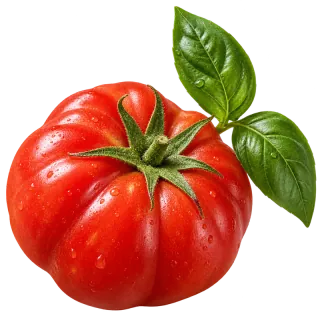

Spaghetti in Tomato Water
Directions
- 1Add the cut cherry tomatoes to a pot.
- 2Add a little water to the bottom of the pan to help get it started.
- 3Place the pot on the stove over low heat and cover.
- 4Add a little bit of salt to the tomatoes to help release moisture.
- 5Once moisture accumulates, increase the heat to bring to a boil.
- 6Add the basil stems and basil leaves to the pot.
- 7Cook the tomatoes for about an hour, or until they are super soft and mostly skins and seeds remain.
- 8Strain the cooked tomatoes using a fine mesh strainer placed over a bowl to collect the tomato water.
- 9Season boiling water with enough salt to taste like a seasoned broth.
- 10Drop the spaghetti into the boiling water and cook for about 7 minutes.
- 11Meanwhile, in a pan or saucier, turn the heat on low and add about a cup of tomato water per person.
- 12Dice the cold butter.
- 13Remove the pasta from the boiling water and add it to the tomato water in the pan.
- 14Turn up the heat and cook the pasta in the tomato water for another 5 minutes, swirling it around to release starch and reduce the tomato water to a glaze.
- 15Check the pasta for al dente; if still undercooked and the tomato water has reduced, add a little more tomato water at a time until al dente and the spaghetti is glazed.
- 16Turn off the heat and add in the cold diced butter, swirling and tossing until it completely melts and emulsifies into the sauce, clinging tightly to the spaghetti.
- 17Plate the pasta by picking it up with pasta tongs, cradling it in a ladle, swirling it into a bundle, and transferring it to a plate.
- 18Top with a little bit more sauce (if running low, add a touch more pasta water to the pan for yield).
- 19Finish with a little bit of fresh basil and grated Parmesan.
Ingredients
- 3 pints cherry tomatoes
- sunolds (cherry tomatoes)
- fresh basil stems
- fresh basil leaves
- salt
- spaghetti
- 1 to 2 tablespoons cold butter, diced
- grated Parmesan
Equipment
potknifefine mesh strainercolanderbowlstovepan or saucierpasta tongsladle
Tips
- To cut cherry tomatoes quickly, place them between two lids and slice through the middle horizontally.
- Puncture cherry tomatoes before boiling to help them release juice.
- For more servings, use about a cup of tomato water per person.
- Finish the pasta in the tomato water to allow the pasta starch to be released and glaze the spaghetti.
- If the tomato water reduces too much before the pasta is al dente, add a touch more pasta water.
- Swirl cold butter into the pasta off the heat to emulsify it into the sauce.
- To plate, use pasta tongs and a ladle to create a neat bundle of spaghetti.
- You can use the leftover tomato skins and seeds to make another sauce or tomato jam.
Related recipes

Pâtes de courgette au pesto de courgette
Italian · Sauce & Condiment

Spinach Pesto
Italian · Sauce & Condiment

Nonna's Italian Lemon Dressing
Italian · Sauce & Condiment

Salsa Borracha Pasta
Italian · Sauce & Condiment

Tikvice na mlijeku
Italian · Sauce & Condiment

Malloreddus alla campidanese
Italian · Sauce & Condiment

Crispy Zucchini Rings With Creamy Zucchini Dip
Italian · Sauce & Condiment

Homemade Alfredo Sauce Mix
Italian · Sauce & Condiment

Nidos de patata
Italian · Sauce & Condiment

Creamy Garlic Pizza Dip
Italian · Sauce & Condiment

Skillet Express Lasagna
Italian · Sauce & Condiment

Rao's Copycat Roasted Garlic Alfredo
Italian · Sauce & Condiment1h