
Garlic Butter Focaccia
Directions
- 1In a large mixing bowl, combine 500g of water, 2 teaspoons of instant dry yeast, 1 tablespoon of honey, 1 teaspoon of pink salt, and 40 ml of extra virgin olive oil. Give everything a good mix and set aside.
- 2Add 550g of bread flour straight into the yeast mixture and bring everything together using a dough whisk or your hands until there are no dry spots left and the dough is wet and sticky.
- 3Cover the bowl and let the dough rest for 30 minutes to allow the flour to absorb the water fully.
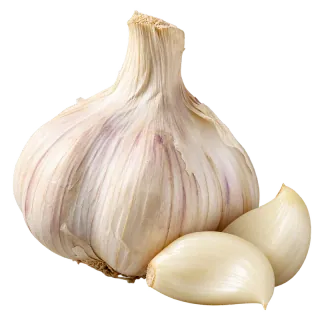
- 4While the dough rests, make the garlic confit: take about two bulbs of peeled garlic, place them in a small oven-safe bowl, and pour enough olive oil to cover all the cloves. Cover it and bake at 180°C (360°F) for about 1 hour or until the garlic turns soft and golden.
- 5Lightly wet your hands to prevent sticking, then perform the first round of stretch and folds by lifting one side of the dough, stretching it up, and folding it over to the opposite side. Rotate the bowl and repeat this motion a few times.
- 6Cover the bowl again and let the dough rest for about 30 minutes.
- 7Perform the second round of stretch and folds, observing how the dough has become smoother and softer.
- 8Cover the bowl again and let the dough rest for another 30 minutes for the third round.
- 9Perform the final round of stretch and folds, noting the elasticity and airiness of the dough.
- 10Cover the dough again and let it rest for the final time.
- 11Prepare the garlic confit butter: combine 100g of soft butter (at room temperature), the slow-cooked garlic cloves from the confit, 2 tablespoons of chopped parsley, 1 teaspoon of garlic powder, salt to taste, ⅓ teaspoon of black pepper, 1 teaspoon of chili flakes, and the garlic-infused oil from the confit.
- 12Blend all garlic confit butter ingredients together until smooth and creamy; drizzle in a little more oil if needed until it becomes silky and spreadable.
- 13Prepare a baking tray (23 x 34 x 3 cm) by drizzling in plenty of olive oil and spreading it evenly, or line it with parchment paper if it's not non-stick.
- 14Carefully transfer the dough into the tray, easing it in slowly and spreading it out with light hands to preserve air bubbles.
- 15Cover the tray and let the dough rise for about 1 hour for its final proof, adjusting time based on kitchen temperature, but avoid overproofing.
- 16Before dimpling, preheat your oven to 230°C (450°F).
- 17Drizzle more olive oil over the top of the dough and rub some onto your hands.
- 18Using all your fingers, press gently across the entire surface of the dough to dimple it.
- 19Spread the garlic confit butter all over the top of the dough.
- 20Do one more round of dimpling, pressing so the garlic butter sinks beautifully into the dough.
- 21Bake the focaccia in the oven for about 18 to 20 minutes, or until golden brown on top.
- 22Once taken out of the oven, while it's still hot, brush a little more garlic butter over the top.
Ingredients
- 500 g Water
- 2 tsp Instant dry yeast
- 1 tbsp Honey
- 1 tsp Pink salt
- 40 ml Extra virgin olive oil
- 550 g Bread flour
- 2 Garlic bulbs
- as needed Olive oil
- 100 g Soft butter
- 2 tbsp Chopped parsley
- 1 tsp Garlic powder
- to taste Salt
- 0.33 tsp Pepper
- 1 tsp Chili flakes
Equipment
Large mixing bowlDough whiskSmall oven safe bowlBaking tray (23 x 34 x 3 cm)Parchment paper (if tray is not non-stick)Blender
Tips
- Keep your dough soft and slightly sticky; a wetter dough always gives a lighter, open crumb.
- Use high-protein bread flour for dough strength and to trap air for big, airy bubbles.
- Be patient with fermentation; let the dough rise slowly.
- Handle dough gently; never punch down or over-handle it to keep air pockets.
- Don't skip the final proof (45-60 minutes) to relax the dough and develop texture.
- If using active dry yeast, add it to warm water and let it sit for 15 minutes until foamy.
- Don't overproof the dough during the final rise, as it can collapse when dimpling.
Related recipes

Easy Skillet Focaccia for One
Italian · Baked Goods1h 55m

Hot Honey Garlic Chicken Bread
Italian · Baked Goods

Polpette alla siciliana
Italian · Baked Goods

Turkey Nuggets
Italian · Baked Goods

Cheese bread
Italian · Baked Goods

Mini Carbonara Quiches
Italian · Baked Goods

Same-day Focaccia
Italian · Baked Goods

Cheesy Bread
Italian · Baked Goods

Caramelized Zucchini Meatballs
Italian · Baked Goods

Sheet Pan Chicken and Gnocchi
Italian · Baked Goods

Chicken caesar garlic knot sandwiches
Italian · Baked Goods

Focaccia di Zucchine
Italian · Baked Goods