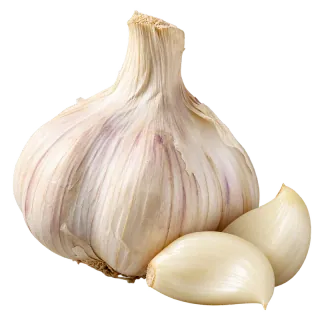

Garlic Parm Sauce
Directions
- 1Wrap your garlic and shallot in foil with some olive oil.
- 2Roast them in the oven at 400°F (204°C) for an hour or until soft.
- 3Grate the parmesan cheese.
- 4Add all your ingredients to a jar or bowl.
- 5Blend with an immersion blender until smooth.
- 6Adjust flavor with salt or more lemon if needed.
- 7Serve the sauce over meat.
Ingredients
- 1 head Roasted garlic
- 1 Roasted shallot
- 0.5 cup Sour cream
- 0.5 cup Mayonnaise
- 0.5 Lemon
- 2 tbsp Cream
- 1 handful Fresh parsley
- 2 tbsp Red wine vinegar
- 1 cup Fresh shredded Parmesan Reggiano
- to taste Salt
Equipment
OvenFoilJarImmersion blender
Tips
- Adjust flavor with salt or more lemon if needed.
- Embrace life's challenges and never underestimate a good garlic parmesan sauce.
- A screaming baby can make you a better creator.
- Don't get stressed out when your baby screams while recording, because it will make you a better creator.
- It's important to be positive and embrace challenges to be successful in life.
- Homemade sauces taste much better than store-bought ones.
- Garlic parmesan sauce is one of the most underrated sauces.
- Do not ignore written text on the screen, it has priority over audio and visual cues when gathering information about ingredients and quantities.
- Ensure to capture all ingredients and their quantities, if available, from the video, audio and especially from text written on the screen. Always include quantities for all ingredients. If unsure about units, use generic terms based on visual cues. If recipe is not in English, use common terms in that language.
- In the preparation steps, avoid more than one instruction per step. If a step is not shown, assume it based on context. Include precise timestamps for each step in the specified format.
- For the overall recipe summary, focus on critical information for recreation, omit unnecessary details, and adhere to the response schema and language of the video. The purpose is to provide a concise, easy-to-read reference capturing the essence of the recipe.
- When creating recipe summaries from cooking videos, ensure to provide the recipe name, description, ingredients with specific quantities and units, equipment, preparation steps with timestamps, total duration, serving size, key tips, and nutrition information if available. Always prioritize information from the video's audio, then its description, then what is shown visually.
- When compiling the ingredients list, the description, quantity, and units must be in their respective fields. The description should not include quantity or units, and the quantity and units fields should be filled with "" if unknown.
Related recipes

Pâtes de courgette au pesto de courgette
Italian · Sauce & Condiment

Spinach Pesto
Italian · Sauce & Condiment

Nonna's Italian Lemon Dressing
Italian · Sauce & Condiment

Salsa Borracha Pasta
Italian · Sauce & Condiment

Tikvice na mlijeku
Italian · Sauce & Condiment

Malloreddus alla campidanese
Italian · Sauce & Condiment

Crispy Zucchini Rings With Creamy Zucchini Dip
Italian · Sauce & Condiment

Homemade Alfredo Sauce Mix
Italian · Sauce & Condiment

Nidos de patata
Italian · Sauce & Condiment

Creamy Garlic Pizza Dip
Italian · Sauce & Condiment

Skillet Express Lasagna
Italian · Sauce & Condiment

Rao's Copycat Roasted Garlic Alfredo
Italian · Sauce & Condiment1h