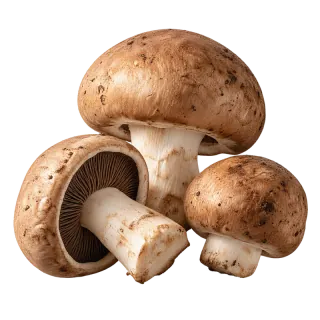
Double Soup Shoyu Ramen

Serves 1
youtube.com

Directions

  1. 1Combine 600ml Marudaizu Koikuchi Shoyu and 65ml Hon Mirin in a container and let it sit at room temperature for one week.
  2. 2Combine 600ml Marudaizu Koikuchi Shoyu and 65ml Hon Mirin in a container and let it sit at room temperature for one week.
  3. 3Combine 600ml Marudaizu Koikuchi Shoyu and 65ml Hon Mirin in a container and let it sit at room temperature for one week.
  4. 4After a week, add about 20g of kombu and two dried shiitake mushrooms to the soy and mirin mixture, and let it steep overnight.
  5. 5After a week, add about 20g of kombu and two dried shiitake mushrooms to the soy and mirin mixture, and let it steep overnight.
  6. 6After a week, add about 20g of kombu and two dried shiitake mushrooms to the soy and mirin mixture, and let it steep overnight.
  7. 7The next day, pour the tare into a pot and heat it up to 80 degrees Celsius.
  8. 8The next day, pour the tare into a pot and heat it up to 80 degrees Celsius.
  9. 9The next day, pour the tare into a pot and heat it up to 80 degrees Celsius.
  10. 10When the tare reaches 80 degrees Celsius, remove the kombu and shiitake, then turn off the heat.
  11. 11When the tare reaches 80 degrees Celsius, remove the kombu and shiitake, then turn off the heat.
  12. 12When the tare reaches 80 degrees Celsius, remove the kombu and shiitake, then turn off the heat.
  13. 13Add 10g of natural salt (like sea salt) to the tare and stir to dissolve with the residual heat.
  14. 14Add 10g of natural salt (like sea salt) to the tare and stir to dissolve with the residual heat.
  15. 15Add 10g of natural salt (like sea salt) to the tare and stir to dissolve with the residual heat.
  16. 16Once the tare has cooled to room temperature, add 20ml of Thai fish sauce.
  17. 17Once the tare has cooled to room temperature, add 20ml of Thai fish sauce.
  18. 18Once the tare has cooled to room temperature, add 20ml of Thai fish sauce.
  19. 19Trim the toenails off 5 pounds (2.5 kilograms) of chicken feet using kitchen scissors, then cut an 'x' into the palm of each foot.
  20. 20Trim the toenails off 5 pounds (2.5 kilograms) of chicken feet using kitchen scissors, then cut an 'x' into the palm of each foot.
  21. 21Trim the toenails off 5 pounds (2.5 kilograms) of chicken feet using kitchen scissors, then cut an 'x' into the palm of each foot.
  22. 22Remove all guts from inside two whole chickens, scraping out any embedded between the ribs, then lightly rinse the inside with running water.
  23. 23Remove all guts from inside two whole chickens, scraping out any embedded between the ribs, then lightly rinse the inside with running water.
  24. 24Remove all guts from inside two whole chickens, scraping out any embedded between the ribs, then lightly rinse the inside with running water.
  25. 25Make cuts all around the chicken, along the thigh, wings, breast, and back, to help extract more flavor.
  26. 26Make cuts all around the chicken, along the thigh, wings, breast, and back, to help extract more flavor.
  27. 27Make cuts all around the chicken, along the thigh, wings, breast, and back, to help extract more flavor.
  28. 28Place only the whole chickens into a giant pot and add 8 to 9 liters of water, ensuring the chickens are covered with enough extra water to accommodate the chicken feet later.
  29. 29Place only the whole chickens into a giant pot and add 8 to 9 liters of water, ensuring the chickens are covered with enough extra water to accommodate the chicken feet later.
  30. 30Place only the whole chickens into a giant pot and add 8 to 9 liters of water, ensuring the chickens are covered with enough extra water to accommodate the chicken feet later.
  31. 31Turn on the heat and bring the water to a boil.
  32. 32Turn on the heat and bring the water to a boil.
  33. 33Turn on the heat and bring the water to a boil.
  34. 34When the water is boiling, skim off the scum, waiting until it clumps together for easier removal.
  35. 35When the water is boiling, skim off the scum, waiting until it clumps together for easier removal.
  36. 36When the water is boiling, skim off the scum, waiting until it clumps together for easier removal.
  37. 37Stick a wooden spoon into the chicken's cavity and swirl to bring out any hidden scum.
  38. 38Stick a wooden spoon into the chicken's cavity and swirl to bring out any hidden scum.
  39. 39Stick a wooden spoon into the chicken's cavity and swirl to bring out any hidden scum.
  40. 40Once all scum is removed, add the prepped chicken feet and a large handful of rinsed chicken skin.
  41. 41Once all scum is removed, add the prepped chicken feet and a large handful of rinsed chicken skin.
  42. 42Once all scum is removed, add the prepped chicken feet and a large handful of rinsed chicken skin.
  43. 43Lower the heat and bring the stock to around 95 degrees Celsius (203 degrees Fahrenheit), keeping it at a bare simmer.
  44. 44Lower the heat and bring the stock to around 95 degrees Celsius (203 degrees Fahrenheit), keeping it at a bare simmer.
  45. 45Lower the heat and bring the stock to around 95 degrees Celsius (203 degrees Fahrenheit), keeping it at a bare simmer.
  46. 46Place a lid on the pot, keeping it slightly cracked, and let the stock cook for a minimum of six hours (preferably eight to twelve hours), ensuring it never boils.
  47. 47Place a lid on the pot, keeping it slightly cracked, and let the stock cook for a minimum of six hours (preferably eight to twelve hours), ensuring it never boils.
  48. 48Place a lid on the pot, keeping it slightly cracked, and let the stock cook for a minimum of six hours (preferably eight to twelve hours), ensuring it never boils.
  49. 49Soak 50g of kombu and 25g of shiitake mushrooms in 5 liters of water overnight in the fridge for the dashi.
  50. 50Soak 50g of kombu and 25g of shiitake mushrooms in 5 liters of water overnight in the fridge for the dashi.
  51. 51Soak 50g of kombu and 25g of shiitake mushrooms in 5 liters of water overnight in the fridge for the dashi.
  52. 52The next day, heat the dashi pot on the stove to 60 degrees Celsius (140 degrees Fahrenheit).
  53. 53The next day, heat the dashi pot on the stove to 60 degrees Celsius (140 degrees Fahrenheit).
  54. 54The next day, heat the dashi pot on the stove to 60 degrees Celsius (140 degrees Fahrenheit).
  55. 55When the dashi reaches 60 degrees Celsius, remove the kombu and shiitake.
  56. 56When the dashi reaches 60 degrees Celsius, remove the kombu and shiitake.
  57. 57When the dashi reaches 60 degrees Celsius, remove the kombu and shiitake.
  58. 58Bring the dashi up to 90 degrees Celsius (194 degrees Fahrenheit) and skim off any scum.
  59. 59Bring the dashi up to 90 degrees Celsius (194 degrees Fahrenheit) and skim off any scum.
  60. 60Bring the dashi up to 90 degrees Celsius (194 degrees Fahrenheit) and skim off any scum.
  61. 61At 90 degrees Celsius, add about 65g of katsuobushi (preferably thick-cut) and turn off the heat to let it steep.
  62. 62At 90 degrees Celsius, add about 65g of katsuobushi (preferably thick-cut) and turn off the heat to let it steep.
  63. 63At 90 degrees Celsius, add about 65g of katsuobushi (preferably thick-cut) and turn off the heat to let it steep.
  64. 64Taste the dashi after about 5 minutes of steeping, and once it has a smoky, fishy katsuobushi flavor, strain it out.
  65. 65Taste the dashi after about 5 minutes of steeping, and once it has a smoky, fishy katsuobushi flavor, strain it out.
  66. 66Taste the dashi after about 5 minutes of steeping, and once it has a smoky, fishy katsuobushi flavor, strain it out.
  67. 67Finely dice 100g of shallots, finely mince 25g of garlic, 25g of ginger, and 25g of the white part of green onions.
  68. 68Finely dice 100g of shallots, finely mince 25g of garlic, 25g of ginger, and 25g of the white part of green onions.
  69. 69Finely dice 100g of shallots, finely mince 25g of garlic, 25g of ginger, and 25g of the white part of green onions.
  70. 70Heat 250ml of vegetable oil in a pot and add all the diced and minced aromatics.
  71. 71Heat 250ml of vegetable oil in a pot and add all the diced and minced aromatics.
  72. 72Heat 250ml of vegetable oil in a pot and add all the diced and minced aromatics.
  73. 73Fry the aromatics at medium-low heat until they are almost burned and all moisture has evaporated, stirring continuously.
  74. 74Fry the aromatics at medium-low heat until they are almost burned and all moisture has evaporated, stirring continuously.
  75. 75Fry the aromatics at medium-low heat until they are almost burned and all moisture has evaporated, stirring continuously.
  76. 76Once the aromatics reach a deep brown color, remove them from the heat immediately and strain the oil.
  77. 77Once the aromatics reach a deep brown color, remove them from the heat immediately and strain the oil.
  78. 78Once the aromatics reach a deep brown color, remove them from the heat immediately and strain the oil.
  79. 79Spread the fried aromatics on a paper towel-lined plate or tray to dry and crisp up; this is called agenegi.
  80. 80Spread the fried aromatics on a paper towel-lined plate or tray to dry and crisp up; this is called agenegi.
  81. 81Spread the fried aromatics on a paper towel-lined plate or tray to dry and crisp up; this is called agenegi.
  82. 82After the chicken stock has cooked for about seven hours, skim off the chicken fat (chiyu) floating at the surface of the soup using a ladle or spoon, possibly removing some chicken feet for better access.
  83. 83After the chicken stock has cooked for about seven hours, skim off the chicken fat (chiyu) floating at the surface of the soup using a ladle or spoon, possibly removing some chicken feet for better access.
  84. 84After the chicken stock has cooked for about seven hours, skim off the chicken fat (chiyu) floating at the surface of the soup using a ladle or spoon, possibly removing some chicken feet for better access.
  85. 85Carefully strain the soup into a second equally large pot.
  86. 86Carefully strain the soup into a second equally large pot.
  87. 87Carefully strain the soup into a second equally large pot.
  88. 88Cut half a head of napa cabbage into two-inch squares, cut one bulb of garlic in half, and peel and thinly slice 50g of ginger.
  89. 89Cut half a head of napa cabbage into two-inch squares, cut one bulb of garlic in half, and peel and thinly slice 50g of ginger.
  90. 90Cut half a head of napa cabbage into two-inch squares, cut one bulb of garlic in half, and peel and thinly slice 50g of ginger.
  91. 91Bring the strained soup back up to 95 degrees Celsius and add the prepped aromatics.
  92. 92Bring the strained soup back up to 95 degrees Celsius and add the prepped aromatics.
  93. 93Bring the strained soup back up to 95 degrees Celsius and add the prepped aromatics.
  94. 94Keep the soup above 90 degrees Celsius and steep the aromatics for 15 minutes, then strain the soup again.
  95. 95Keep the soup above 90 degrees Celsius and steep the aromatics for 15 minutes, then strain the soup again.
  96. 96Keep the soup above 90 degrees Celsius and steep the aromatics for 15 minutes, then strain the soup again.
  97. 97Add 100ml of dashi and 200ml of chicken stock into a small pot to heat up (or a larger pot with the same ratios for multiple servings).
  98. 98Add 100ml of dashi and 200ml of chicken stock into a small pot to heat up (or a larger pot with the same ratios for multiple servings).
  99. 99Add 100ml of dashi and 200ml of chicken stock into a small pot to heat up (or a larger pot with the same ratios for multiple servings).
  100. 100Add 20ml of tare and 10ml of chiyu into a heated bowl.
  101. 101Add 20ml of tare and 10ml of chiyu into a heated bowl.
  102. 102Add 20ml of tare and 10ml of chiyu into a heated bowl.
  103. 103When the soup in the small pot begins to simmer, cook your ramen noodles.
  104. 104When the soup in the small pot begins to simmer, cook your ramen noodles.
  105. 105When the soup in the small pot begins to simmer, cook your ramen noodles.
  106. 106When the noodles are almost done cooking, add 300ml of hot soup into your bowl.
  107. 107When the noodles are almost done cooking, add 300ml of hot soup into your bowl.
  108. 108When the noodles are almost done cooking, add 300ml of hot soup into your bowl.
  109. 109Once noodles are done, strain them very well and add them into your bowl.
  110. 110Once noodles are done, strain them very well and add them into your bowl.
  111. 111Once noodles are done, strain them very well and add them into your bowl.
  112. 112Top with chashu, spinach, menma, green onions, agenegi, kamaboko, and nori.
  113. 113Top with chashu, spinach, menma, green onions, agenegi, kamaboko, and nori.
  114. 114Top with chashu, spinach, menma, green onions, agenegi, kamaboko, and nori.
  115. 115Finally, add 5 to 10ml of the shallot oil into the bowl.
  116. 116Finally, add 5 to 10ml of the shallot oil into the bowl.
  117. 117Finally, add 5 to 10ml of the shallot oil into the bowl.

Ingredients

  • 600 ml Marudaizu Koikuchi Shoyu (丸大豆 醤油)
  • 600 ml Marudaizu Koikuchi Shoyu (丸大豆 醤油)
  • 600 ml Marudaizu Koikuchi Shoyu (丸大豆 醤油)
  • 65 ml Hon Mirin
  • 65 ml Hon Mirin
  • 65 ml Hon Mirin
  • 10 g Aged Sea Salt
  • 10 g Aged Sea Salt
  • 10 g Aged Sea Salt
  • 20 ml Thai Fish Sauce
  • 20 ml Thai Fish Sauce
  • 20 ml Thai Fish Sauce
  • 2 Whole Chickens
  • 2 Whole Chickens
  • 2 Whole Chickens
  • 5 lbs Chicken Feet
  • 5 lbs Chicken Feet
  • 5 lbs Chicken Feet
  • 8 L Water
  • 8 L Water
  • 8 L Water
  • handful Chicken skin
  • handful Chicken skin
  • handful Chicken skin
  • 0.5 head Napa Cabbage, cut into two-inch squares
  • 0.5 head Napa Cabbage, cut into two-inch squares
  • 0.5 head Napa Cabbage, cut into two-inch squares
  • 1 bulb Garlic, cut in half
  • 1 bulb Garlic, cut in half
  • 1 bulb Garlic, cut in half
  • 50 g Ginger, peeled with a spoon and then sliced lengthwise as thinly as possible
  • 50 g Ginger, peeled with a spoon and then sliced lengthwise as thinly as possible
  • 50 g Ginger, peeled with a spoon and then sliced lengthwise as thinly as possible
  • 5 L Water
  • 5 L Water
  • 5 L Water
  • 50 g Ma Konbu
  • 50 g Ma Konbu
  • 50 g Ma Konbu
  • 25 g Dried Shiitake mushrooms
  • 25 g Dried Shiitake mushrooms
  • 25 g Dried Shiitake mushrooms
  • 65 g Katsuobushi
  • 65 g Katsuobushi
  • 65 g Katsuobushi
  • 250 ml Vegetable Oil
  • 250 ml Vegetable Oil
  • 250 ml Vegetable Oil
  • 100 g Shallots, finely diced
  • 100 g Shallots, finely diced
  • 100 g Shallots, finely diced
  • 25 g Ginger, finely minced
  • 25 g Ginger, finely minced
  • 25 g Ginger, finely minced
  • 25 g Garlic, finely minced
  • 25 g Garlic, finely minced
  • 25 g Garlic, finely minced
  • 25 g White part of green onions, finely minced
  • 25 g White part of green onions, finely minced
  • 25 g White part of green onions, finely minced
  • 100 ml Dashi
  • 100 ml Dashi
  • 100 ml Dashi
  • 200 ml Chicken Stock
  • 200 ml Chicken Stock
  • 200 ml Chicken Stock
  • 20 ml Tare
  • 20 ml Tare
  • 20 ml Tare
  • 10 ml Chiyu
  • 10 ml Chiyu
  • 10 ml Chiyu
  • 5 ml Shallot Oil
  • 5 ml Shallot Oil
  • 5 ml Shallot Oil
  • Noodles
  • Noodles
  • Noodles
  • Chashu
  • Chashu
  • Chashu
  • Spinach
  • Spinach
  • Spinach
  • Menma
  • Menma
  • Menma
  • Green onions
  • Green onions
  • Green onions
  • Narutomaki
  • Narutomaki
  • Narutomaki
  • Age Negi
  • Age Negi
  • Age Negi
  • Nori
  • Nori
  • Nori

Equipment

Large pots (at least 12 quart)Kitchen scissorsSharp knifeThermometer with temperature alarmLidStoveLadleFat separatorStrainerSmall potHeated bowlPaper towel lined plate or tray

Tips

  • The tare requires sitting for one week at room temperature for optimal flavor.
  • The animal-based soup requires very large pots and a long cooking time (6-12 hours).
  • Maintain the chicken stock at a bare simmer, just under boiling (around 95 degrees Celsius/203 degrees Fahrenheit), using a thermometer with an alarm.
  • Do not over-steep katsuobushi in the dashi as it can make it sour; taste as it steeps.
  • Frying aromatics for the shallot oil is crucial; avoid frying too little (raw taste) or too much (burnt taste). Stir continuously.
  • Harvesting chiyu (chicken fat) after the stock has cooked allows for a more 'chickeny' flavor.